
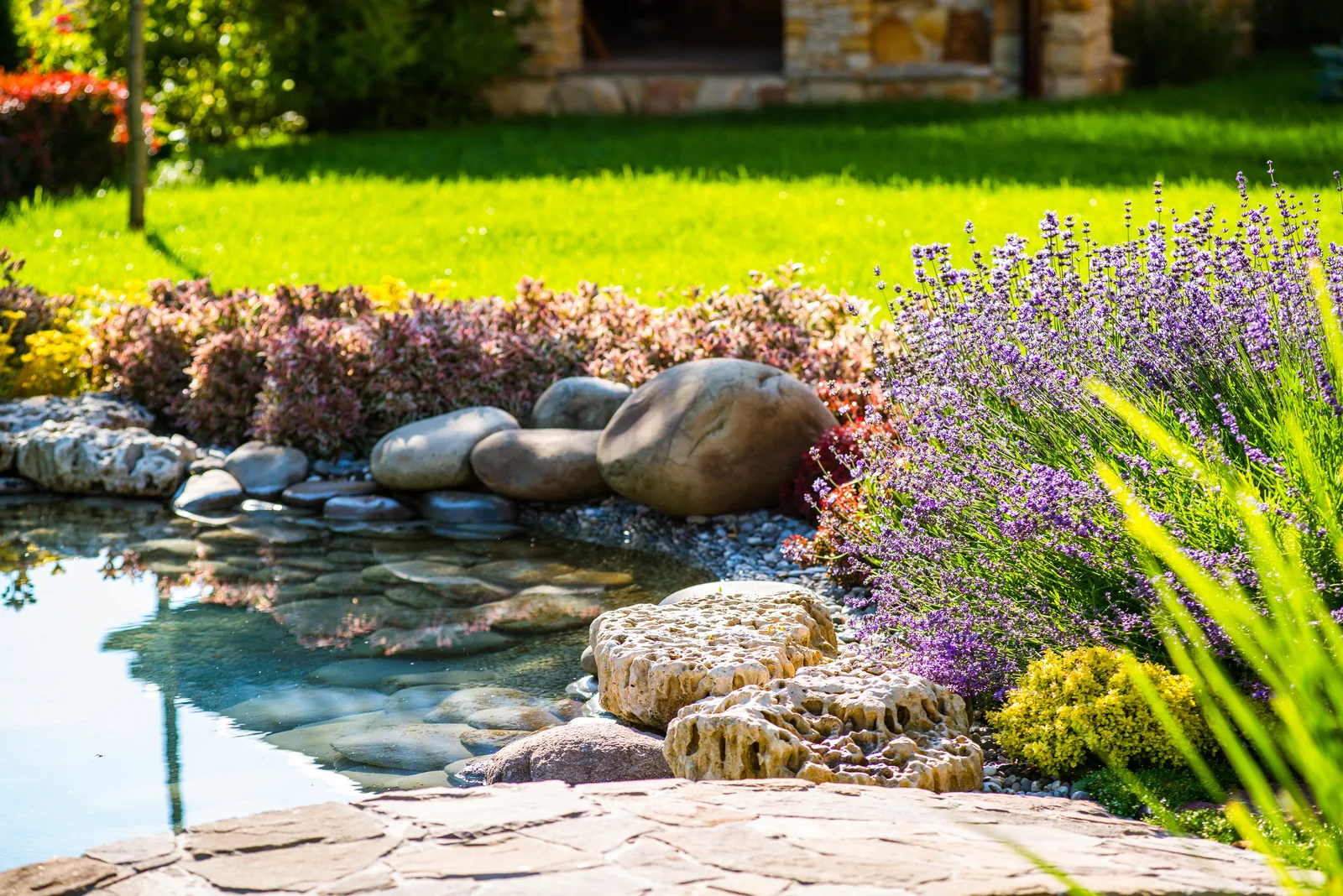
A landscape designed around your property.
A good landscape starts with a clear idea of how you want to spend time outside. Perhaps the front entrance needs a more welcoming approach. Perhaps the backyard has room for entertaining, but no arrangement that makes it comfortable. Custom landscape design gives those needs a place on the plan before plants or materials are ordered.
Colorado Property Care welcomes landscape design inquiries for residential and commercial properties. Describe the space you want to change, the features worth keeping and what the finished landscape should make possible. A courtyard, a front garden and a large backyard each need their own design response. The goal is a coherent layout suited to that site.
Planning landscaping
Before selecting plants, describe how you want to use the yard. You might need open space for play, a quieter place to sit, a clearer entrance or planting beds that ask less of your weekends. For a commercial property, visibility at entrances and the routes people use deserve equal attention.
Keep the things you value on the plan. An established tree, a useful patch of lawn or a comfortable shaded corner can become a starting point rather than something to remove. Mark the location of doors, walks, existing irrigation and areas where water collects. When the project includes a new patio or deck, consider the landscape and the hard surfaces together.
Make three short lists: what to keep, what to change and what needs a closer look. This separates design preferences from existing problems before either gets lost in a conversation about materials.
Plant choices also need to suit the actual growing conditions. Sun exposure, available water and soil conditions matter more than a plant's appearance in a nursery. Colorado State University Extension's water-wise design guidance supports matching a landscape to how the site is used. A water-conscious plan can still include lawn where lawn has a clear purpose.
Planting, proportion and seasonal interest.
Think about the garden at its mature size. A planting bed should have enough depth for the plants intended for it, with room beside paths and entrances. Plant placement should respond to the actual sun exposure, available water and existing conditions. A plant that looks appealing in a reference photograph still needs to suit its proposed location.
Design also involves the spaces between planted areas. Consider where people pause, which views deserve attention and how a path connects one part of the property to another. Repeated materials or a restrained planting palette can help a large yard feel connected without making every area identical.
Bring examples of landscapes you like, but explain what appeals to you. It might be the openness, the amount of shade, a particular texture or the contrast between planted beds and gathering areas. Those observations are more useful than asking to copy a yard built for another property.
Discuss seasonal expectations as well. Which areas should remain visually interesting when flowers are not in bloom? Where will you see the garden from inside? A design should address the property through the year, not only the moment shown in a summer photograph.
Preparing for your landscaping project
Start with photographs from several viewpoints and a rough outline of the project area. Mark doors, windows, existing paths and any features that should remain. Include how much upkeep you want the new design to require; this influences plant selection and the balance of different surfaces.
If installation will happen in phases, identify the first area you want completed and the longer-term layout. A phased landscape needs a complete design direction so an early planting bed or path does not obstruct a later improvement. Ask which drawings, material selections and installation details will be included in the proposed scope.
| Project detail | What to bring |
|---|---|
| Outdoor activities | List the places you need for sitting, walking, gathering or enjoying a view. |
| Site conditions | Share photos, known drainage concerns, sun exposure and existing features to retain. |
| Design preferences | Bring a few reference images and explain the materials, planting or layout you like. |
| Project boundaries | Identify the design area, budget expectations and whether installation needs to happen in phases. |
Landscaping: common questions
Can landscaping focus on a front yard only?
Yes. An inquiry can concern a front entrance, a backyard, a courtyard or another defined area. Identify the boundary and what should change so the design can respond to that part of the property.
Do I need to know which plants I want?
No. Describe the appearance, privacy, seasonal interest and level of upkeep you prefer. Plant choices should follow those priorities and the conditions at the actual site.
Is lawn mowing part of this landscape design service?
Routine mowing belongs to our separate lawn maintenance service. This page focuses on designing and improving the layout and planting of a landscape.
Where do I ask about an existing tree?
Use the tree care and arborist page for a tree-specific concern. If an existing tree needs to be retained within a new landscape, show its location in the design brief.